



International Conference on Satellite Computing
November 15 - 16, 2025
Yantai, China
|
2025 年 11 月 16 日 会议地点:烟台大学(山东省烟台市莱山区清泉路 30 号) |
|||
|---|---|---|---|
| 时间 | 内容 | 主持人 | 地点 |
| 8:30–8:50 |
大会开幕式 烟台大学校领导致辞、大会主席致辞、主办单位代表致辞 |
烟台大学北校区逸夫图书馆逸夫厅 | |
| 8:50–9:25 |
Keynote Speech 1: 网络分布式群智协同进化优化 Presenter: 陈伟能 教授,华南理工大学 |
王尚广 | |
| 9:25–10:00 |
Keynote Speech 2: Research on Theory and Technology of Multi-Space Crowd Sensing Computing Presenter: Prof. Yingjie Wang, Yantai University |
苏开乐 | |
| 10:00–10:35 |
Keynote Speech 3: 大空计算网络仿真平台 Presenter: 李晴 预聘副教授,北京邮电大学 |
董向荣 | |
| 10:35–10:50 | 合影、茶歇 | ||
| 10:50–11:25 |
Keynote Speech 4: 高精度远程长波导航授时技术 Presenter: 王丹丹 副教授,济南大学 |
侯文涵 | |
| 11:25–12:00 |
Keynote Speech 5: Neoteric Frontiers in Cloud and Quantum Computing Presenter: Prof. Rajkumar Buyya, The University of Melbourne, Australia |
王莹洁 | |
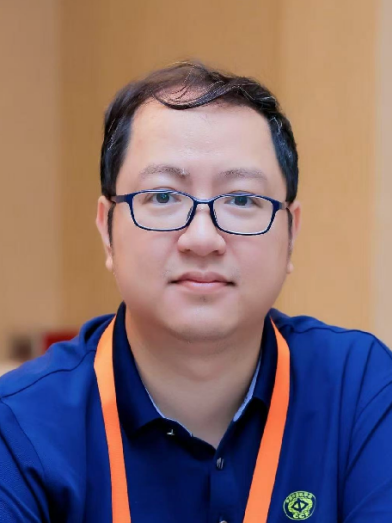
报告人:陈伟能
摘要:群体智能是新一代人工智能发展的重要方向。随着物联网、边云计算等技术的快速发展,万物互联,网络分布式群智与多智能体协同优化广泛应用于智能电网、工业互联网、车联网等领域,李未院士指出:“基于互联网的群体智能是新一代人工智能的核心研究领域之一”。传统基于梯度下降的多智能体分布式优化方法在面对非凸、黑箱问题时存在瓶颈,传统群智优化方法主要面向集中式优化问题,也面临着维度诅咒、可扩展性较低的挑战。为此,本报告将探讨把群智优化方法中蕴含的天然并行分布式特征,与网络分布式多智能体共识理论相结合,构建“可引导-可扩展-可信任”的分布式群智与多智能体协同进化优化方法体系。重点针对在网络化分布式环境中,群智协同优化面临的数据局部感知、个体目标冲突等挑战,介绍分布式数据驱动的群智进化优化方法,整体全局目标引导的群智共识协同进化优化方法,以及隐私保护的可靠分布式群智协同优化框架,并介绍这些方法在智能交通等领域的实际应用。
报告人简介:陈伟能,华南理工大学计算机科学与工程学院教授,博士生导师、副院长。主要研究方向是智能优化、群体智能、多智能体系统及其应用,已发表国际期刊和国际会议论文200余篇,其中IEEE Transactions长文100余篇;牵头主持国家科技创新2030——“新一代人工智能”重大项目,国家自然科学基金企业创新联合基金重点支持项目、国家重点研发计划国际合作交流项目等,任大数据与计算智能粤港联合创新平台负责人。先后获国家优青、广东省杰青、英国皇家学会Newton基金等资助,获霍英东青年教师奖。现任IEEE广州分会副主席、IEEE SMC广州分支主席、中国计算机学会协同计算专业委员会常务委员、人工智能与模式识别专业委员会委员、任国际期刊IEEE PAMI、IEEE TEVC, IEEE TNNLS及Complex & Intelligent Systems副主编。

报告人:王莹洁
摘要:Multi-space crowd sensing computing represents an expansion and upgrade of crowd sensing in the spatial dimension. It extends the sensing entities beyond ground-based mobile terminals to multiple physical spaces, including the sky, air, sea, and land, forming a large-scale sensing network that is multi-dimensional, heterogeneous, and collaborative.
报告人简介:Yingjie Wang is a Professor at Yantai University and a doctoral advisor, and she currently serves as Deputy Director of the Department of Development Planning and Discipline Construction. She is a CCF Distinguished Member, a recipient of the Outstanding Young Scientist Fund of Shandong Province, the leader of a Shandong Youth Innovation Team, and a Top Talent under Yantai’s “Two Hundred Project”. She directs the “Celestial Constellation” East China Ground Station, serves as Deputy Director of the Key Laboratory of Digital Service Computing and Systems of Shandong Province, and directs the Provincial Future Industry Engineering Research Center for Aerospace Information Fusion and Service Computing. Her research focuses on multi-space crowd sensing and collective intelligence, service computing, and artificial intelligence. She has led projects funded by the National Natural Science Foundation of China and the China Postdoctoral Science Foundation, among others. She has authored more than 100 publications with nearly 3,000 citations, including five ESI Highly Cited Papers and one Hot Paper, and she has received three best paper awards. Her honors include the First Prize of the Shandong Artificial Intelligence Natural Science Award, the Young Talents Award in Service Computing (CCF), and the Third Prize of the Shandong Natural Science Award. She has also held leadership roles in IEEE/CCF committees related to service computing, artificial intelligence, ubiquitous computing, and collaborative computing.
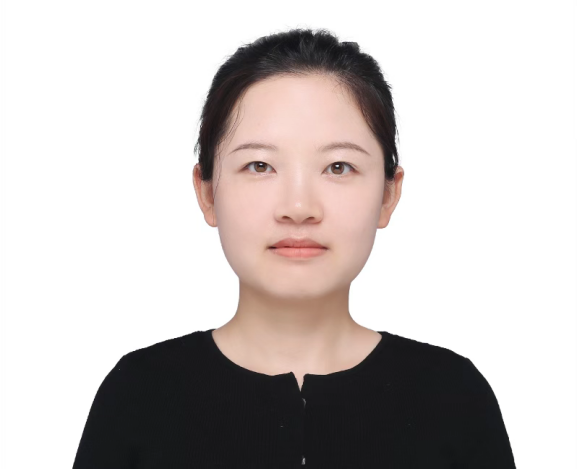
报告人:李晴
摘要:随着低轨道卫星逐步演变为集成计算与通信能力的一体化平台,基于商用现货(COTS)硬件构建的太空计算网络(Space Computing Networks, SCNs)正日益成为新一代航天信息基础设施的重要发展方向。SCNs通过融合星上边缘计算与星间高速通信能力,可广泛支撑地球观测、全球互联通信、5G核心网功能承载等关键应用场景。然而,COTS硬件并非为严苛的太空环境而设计,受限于功耗控制、热管理能力及器件稳定性,其在高温、高辐射条件下易发生性能退化,甚至导致系统故障。同时,SCNs所面临的动态网络拓扑、频繁的星间链路切换与节点失效等因素,也对系统建模与性能评估带来了极大挑战。针对上述问题,本报告重点介绍RHONE系统,一个兼具高保真度、良好可扩展性与易用性的SCN仿真平台。该平台能够有效复现COTS星载设备在轨运行特性与星座级网络动态环境,为SCN系统设计与在轨任务验证提供强有力的支撑。最后,报告还将展望未来太空计算网络的发展趋势与关键技术挑战。
报告人简介:李晴,北京邮电大学计算机学院(国家示范性软件学院)预聘副教授,博士生导师。2022年博士毕业于北京邮电大学,指导教师为杨放春教授和王尚广教授;2022年至2024年在北京大学从事博士后研究工作,合作导师为刘譞哲教授。主要研究领域包括卫星计算系统测量与优化、卫星智能运控、卫星自主任务规划、新型卫星计算应用、边缘计算/云计算资源调度等,相关工作发表在ACM MobiCom/Usenix ATC/ IEEE RTSS/IEEE TMC/IEEE TSC等国际会议和期刊。主持国家自然科学基金青年基金项目、博士后面上基金项目,入选2023年博新计划,曾获中国电子教育学会优秀博士论文奖、中国计算机学会服务计算专委优秀博士奖、北京邮电大学优秀博士论文奖、IEEE TSC 2024 Best Paper Award、ACM Mobicom 2025 Best Demo Runner-up Award、ICSOC 2023 Distinguished Paper Award、 IEEE EDGE 2021 Best Paper Award等奖项。担任IEEE Satellite 2025 TPC Chair, IEEE TMC/TSC/ACM TIST/IEEE ICDCS 2024/IEEE ICWS 2024-2025 等国际期刊/会议审稿人。
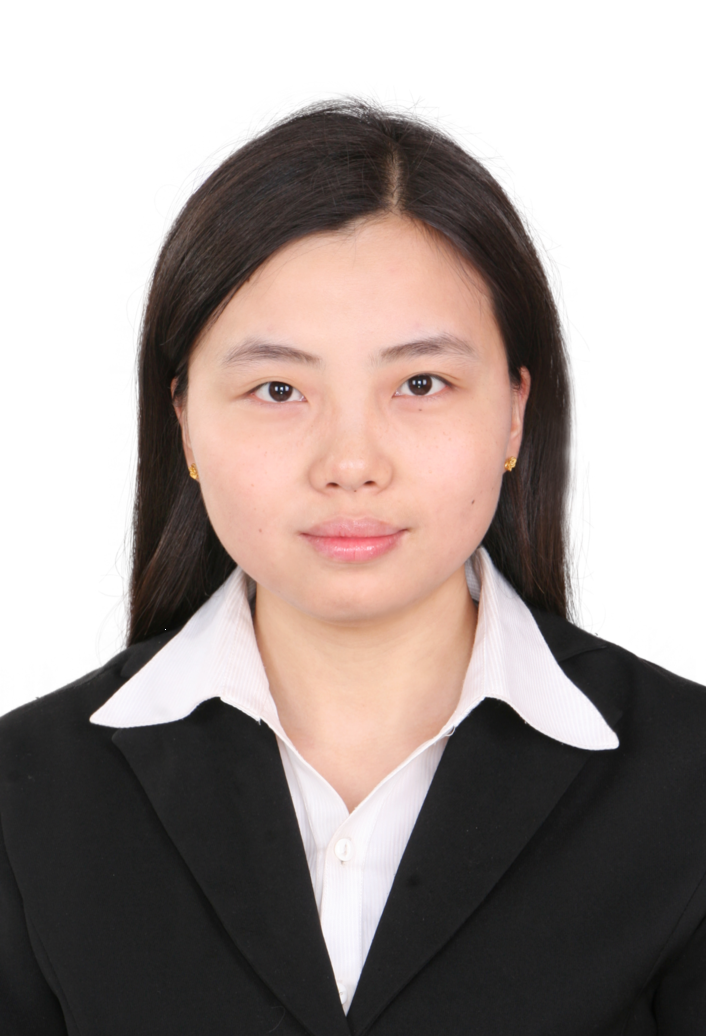
报告人:王丹丹
摘要:在现代定位、导航与授时(PNT)体系中,陆基长波无线电导航系统是天基卫星导航系统在信号拒止环境下的关键备份,具有不可替代的战略价值。我国“十四五”规划已将“高精度地基授时系统”列为国家重大科技基础设施,彰显其对于构建自主可控PNT能力的核心意义。当前,传播时延的高精度修正是提升长波导航精度的核心瓶颈。本报告将系统介绍针对地波与天波两种传播模式的建模与修正方法:在地波方面,重点探讨空间预测建模、时变网络分析及差分修正技术;在天波方面,则深入分析其传播机制与天地波协同处理理论。最终,通过构建“地-天波协同”的修正体系,旨在突破现有精度瓶颈,为我国长波无线电导航系统在复杂环境下的可靠应用提供关键技术支撑。
报告人简介:王丹丹,济南大学副教授,致力于长波/超长波导航授时、电波传播理论的研究。主持科研项目6项,包括国家自然科学基金项目3项(重点项目“叶企孙”科学基金子课题1项(联合申报)、面上基金项目1项、青年基金项目1项),山东省自然科学基金青年项目1项以及企事业委托项目3项。在本领域权威期刊及重要学术会议发表论文24篇,总引用107次,其中以第一作者/通信作者发表论文12篇,SCI顶刊论文4篇(包括IEEE TAP 2篇,IEEE AWPL 2篇),担任IEEE TAP、IEEE AWPL等期刊审稿人,授权国家发明专利15项。于2025年入选“山东省青年科技人才托举工程”,担任山东宇航学会理事。
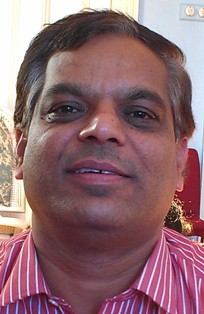
报告人:Rajkumar Buyya
摘要:The twenty-first-century digital infrastructure and applications are driven by Cloud computing, Internet of Things (IoT), Artificial Intelligence (AI), and Quantum computing paradigms. The Cloud computing paradigm has been transforming computing into the 5th utility wherein "computing utilities" are commoditized and delivered to consumers like traditional utilities such as water, electricity, gas, and telephony. It offers infrastructure, platform, and software as services, which are made available to consumers as subscription-oriented services on a pay-as-you-go basis over the Internet. Its use is growing exponentially with the continued development of new classes of applications such as AI-powered models (e.g., ChatGPT) and the mining of crypto currencies such as Bitcoins. To make Clouds pervasive, Cloud application platforms need to offer (1) APIs and tools for rapid creation of scalable and elastic applications and (2) a runtime system for deployment of applications on geographically distributed Data Centre infrastructures (with Quantum computing nodes) in a seamless manner. This keynote presentation will cover (a) 21st century vision of computing and identifies various emerging IT paradigms that make it easy to realize the vision of computing utilities; (b) innovative architecture for creating elastic Clouds integrating edge resources and managed Clouds, (c) Aneka 6G, a 6th generation Cloud Application Platform, for rapid development of Big Data/AI applications and their deployment on private/public Clouds driven by user requirements, (d) experimental results on deploying Big Data/IoT applications in engineering, health care (e.g., COVID-19), deep learning/Artificial intelligence (AI), satellite image processing, and natural language processing (mining COVID-19 literature for new insights) on elastic Clouds, (e) QFaaS: A Serverless Function-as-a-Service Framework for Quantum Computing; and iQuantum Simulation Toolkit, and (f) new directions for emerging research in Cloud and Quantum computing
报告人简介:Dr. Rajkumar Buyya is a Redmond Barry Distinguished Professor and Director of the Quantum Cloud Computing and Distributed Systems (qCLOUDS) Laboratory at the University of Melbourne, Australia. He is also serving as the founding CEO of Manjrasoft, a spin-off company of the University, commercializing its innovations in Cloud Computing. He has authored over 850 publications and seven textbooks including "Mastering Cloud Computing" published by McGraw Hill, China Machine Press, and Morgan Kaufmann for Indian, Chinese and international markets respectively. Dr. Buyya is one of the highly cited authors in computer science and software engineering worldwide (h-index=176, g-index=389, i10-index=839, and 164,800+ citations). A bibliometric study by Stanford University and Elsevier since 2019, Dr. Buyya is recognized as the Highest-Cited author in the Distributed Computing field worldwide. He graduated 60+ PhD students who are working in world-leading research universities and high-tech companies such as Microsoft, Google, and IBM. He has been recognised as IEEE Fellow, a "Web of Science Highly Cited Researcher" for seven times since 2016, the "Best of the World" twice for research fields (in Computing Systems in 2019/2024 and Software Systems in 2021/2022/2023) as well as "Lifetime Achiever" and "Superstar of Research" in "Engineering and Computer Science" discipline twice (2019 and 2021) by the Australian Research Review. Software technologies for Grid, Cloud, Fog, Quantum computing developed under Dr.Buyya's leadership have gained rapid acceptance and are in use at several academic institutions and commercial enterprises in 60+ countries around the world. Manjrasoft's Aneka Cloud technology developed under his leadership has received "Frost New Product Innovation Award". He served as founding Editor-in-Chief of the IEEE Transactions on Cloud Computing. He is currently serving as Editor-in-Chief of Software: Practice and Experience, a long-standing journal in the field established in 1970. He has presented over 750 invited talks (keynotes, tutorials, and seminars) on his vision on IT Futures, Advanced Computing technologies, and Spiritual Science at international conferences and institutions in Asia, Australia, Europe, North America, and South America. He has recently been recognized as a Fellow of the Academy of Europe. For further information on Dr.Buyya, please visit his cyberhome: www.buyya.com
